
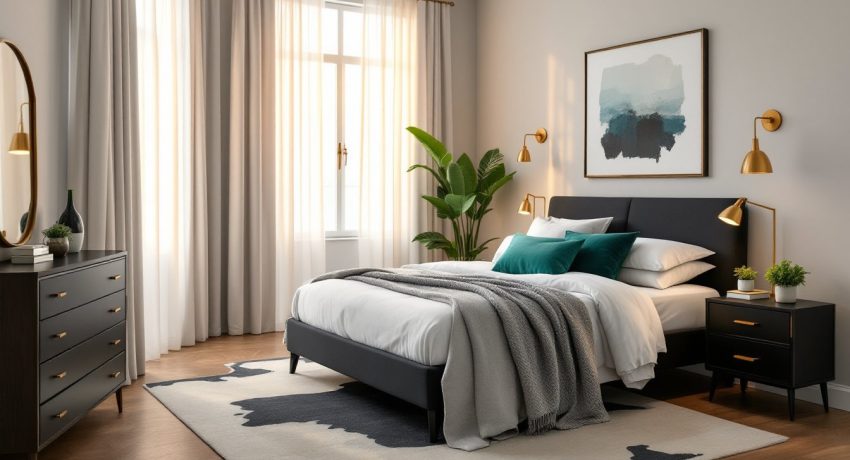

Black furniture in the bedroom doesn’t have to feel heavy or cave-like, when styled thoughtfully, it becomes the anchor for a sophisticated, intimate retreat. Whether you’re drawn to sleek modern pieces or classic elegance, black furniture offers versatility that works across design styles. The key is knowing how to balance dark pieces with light walls, strategic lighting, and complementary accents that prevent the space from feeling cramped. This guide walks you through decorating with black bedroom furniture, covering everything from selecting the right pieces to creating visual interest without overwhelming the room.
Table of Contents
ToggleKey Takeaways
- Black bedroom furniture serves as a sophisticated anchor when paired with light walls, strategic lighting, and complementary accents that prevent the space from feeling cramped.
- Mix matte and glossy black finishes, ebonized wood, and metal frames to create visual texture and prevent the room from looking flat or monotonous.
- Use light-colored bedding in whites, creams, and warm neutrals to create essential contrast that lets black furniture shine without overwhelming the space.
- Install layered lighting including dimmer-controlled ceiling fixtures, bedside lamps with warm white bulbs (2700K), and wall sconces to brighten dark furniture and prevent shadowy areas.
- Add metallic accents in gold, brass, or silver through lighting, mirrors, and drawer pulls to reflect light and break up expanses of dark walls without creating visual clutter.
- Incorporate muted jewel tones or soft accent colors through textiles, artwork, and accessories to add sophistication and life while maintaining a calm, restful bedroom atmosphere.
Choosing the Right Black Furniture Pieces
Not all black furniture reads the same. A matte black dresser has a different feel than a glossy black nightstand, and the material, wood, metal, upholstered fabric, changes how the piece interacts with light and your overall design. Start by considering what pieces actually need to be black. A black bed frame makes a bold statement and works as your room’s visual anchor. Black nightstands and a dresser create cohesion without requiring every surface to be dark.
When selecting pieces, think about scale. A massive black platform bed in a small room will dominate: a lower-profile frame or bed with an upholstered headboard feels less imposing. Look for pieces with visual breathing room, tapered legs, open shelving, or a streamlined silhouette, rather than solid, heavy blocks of wood.
Understanding Color and Material Variations
Black comes in varieties, and mixing them keeps the room from feeling flat. A matte black wood dresser paired with a shiny black metal bed frame creates subtle visual interest through texture. Velvet upholstered pieces read as softer and more luxe, while stained hardwood feels warmer. Metal-framed furniture (think wrought iron or steel) can feel more contemporary or industrial depending on the style.
Consider wood tone if you’re going with solid wood pieces. Ebonized wood (dark-stained hardwood) feels richer and warmer than pure black lacquer. Natural wood grain beneath a dark stain adds depth that flat black paint cannot. When shopping, see samples in your actual bedroom lighting, black pieces look different under bright daylight versus soft evening lamps, and that affects the whole room’s atmosphere.
Creating Contrast With Lighter Walls and Bedding
The most effective trick for decorating with black furniture is contrast. Pair your black pieces with light, not white necessarily, but pale grays, warm creams, soft taupes, or even the gentlest blues. A light wall color (consider 85–95% LRV, or light reflectance value) bounces light around and keeps black furniture from absorbing all the visual energy.
Your bedding is equally important. A crisp white or cream duvet cover, linen, or cotton quilt becomes the visual relief your eye needs. Layer textures with throw pillows in soft neutrals, ivory, sand, pale gray, and a cashmere or linen throw blanket. This isn’t about being boring: it’s about creating a base that lets your black furniture shine without overpowering the space.
If you want subtle warmth, add bedding in warm neutrals like oatmeal, mushroom, or soft taupe rather than cool whites. The goal is brightness, not clinical sterility. When shopping for bedding, remember that natural materials like cotton sateen, linen, and high-thread-count cotton reflect light better than synthetic blends, giving the bed more visual lift against dark furniture. A light bedspread also makes your black bed frame read as intentional design rather than a dark void in the corner.
Lighting Strategies to Brighten Dark Furniture
Dark furniture drinks up light, so your lighting plan matters more than it does in lighter rooms. Rely on a combination of ambient, task, and accent lighting rather than a single overhead fixture. A dimmer-controlled ceiling fixture lets you adjust overall brightness. Add bedside lamps, aim for 40–60-watt equivalent LED bulbs (warm white, around 2700K color temperature) for a welcoming glow without harshness.
Consider wall sconces flanking the bed or positioned on either side of a bedroom vanity. These provide focused light where you need it and draw the eye upward, making the room feel taller. A floor lamp in a corner adds another layer and prevents the space from feeling shadowy.
The color temperature of your bulbs matters significantly. Warm white (2700K) feels inviting and complements black furniture beautifully. Cool white (4000K or higher) can make black look harsh and clinical. If you’re working with existing fixtures, switching to warm white LED bulbs is the cheapest fix and transforms the whole feel. Position lamps so light bounces off walls or ceilings rather than pointing directly downward: this fills the room with ambient brightness instead of creating dark pools underneath furniture.
Adding Metallic and Glass Accents for Visual Interest
Metallics and glass are your secret weapons for keeping a black bedroom from feeling flat or depressing. Gold, brass, silver, and rose gold all work with black, the key is choosing one or two and sticking with them for cohesion. Gold and brass feel warm and luxe: silver and chrome feel modern and crisp.
Incorporate metallics through lighting fixtures (brass or gold wall sconces, a sculptural pendant), drawer pulls on black dressers, or a framed mirror with a brass or gold edge. A leaning mirror with a metal frame near the dresser bounces light and breaks up expanses of dark wall. Glass table lamps, decorative glass vases, or glass-topped nightstands add reflective surfaces that catch light.
Don’t overdo it, too many shiny surfaces create visual chaos. A good rule: choose one primary metal (say, brushed gold) and let it repeat through 2–3 accessories: perhaps a mirror frame, bedside lamp, and a decorative tray. Add silver or chrome accents minimally if at all. This restraint keeps the look sophisticated instead of cluttered. When selecting pieces, prioritize items in your sightline, things you see from the bed or doorway make the most impact.
Incorporating Color Through Decor and Textiles
A black bedroom needs color to feel alive, but you control how bold or subtle it is. Soft jewel tones, emerald, sapphire blue, deep teal, or burgundy, pair beautifully with black and feel grown-up, not juvenile. A single accent wall in soft sage green or a muted navy blue adds dimension without overwhelming the space. Alternatively, keep walls neutral and introduce color through textiles and accessories: throw pillows, a patterned area rug, or framed artwork.
Textiles give you the most flexibility. A wool area rug in charcoal, cream, and a pop of muted gold adds warmth underfoot and defines the sleeping area. Layered throw pillows in cream, light gray, and one jewel-toned accent pillow create visual interest at the head of the bed. Linen curtains in soft gray or cream frame windows without adding heaviness. If you want bolder color, a single piece, perhaps a gallery wall with framed botanical prints, or one large abstract painting in muted blues and grays, provides personality without clashing.
Consider interior design tips from established sources to see how color balance works in professional black bedroom schemes. Keep color saturation moderate: you’re after sophisticated, not carnival-like. A small potted plant or two brings life without fuss.
Styling Tips for a Balanced, Cohesive Look
Pull everything together with intentional styling. Start by decluttering, black furniture shows dust and clutter more obviously than lighter pieces, so empty surfaces read as cleaner and more luxe. On nightstands, keep one lamp, a small alarm clock or phone, and perhaps a dish for jewelry. A dresser top is for a mirror frame and two–three decorative objects (a small sculpture, a framed photo, a candle), not a forest of bottles and trinkets.
Balance visual weight across the room. If your bed is a substantial black frame, keep the opposite wall relatively spare, maybe just a painting or empty wall. Heavy black furniture on one side and an equally heavy black dresser directly across can feel oppressive: stagger where your largest pieces sit.
Repeat design elements to create cohesion. If you’ve chosen gold metallics, let that show up again in a frame, a lamp base, or decorative objects. If your accent color is emerald green, echo it in pillows, artwork, or a throw. This repetition makes the room feel intentional rather than random. Remember that a soothing bedroom balances dark and light elements to feel calming. In black furniture schemes, that balance comes from your walls, lighting, bedding, and accessories working together. Step back from the room weekly and ask: Does this feel restful or cramped? Does it feel sophisticated or heavy? Small adjustments, swapping a pillow color, repositioning a lamp, or moving artwork, shift the entire mood.