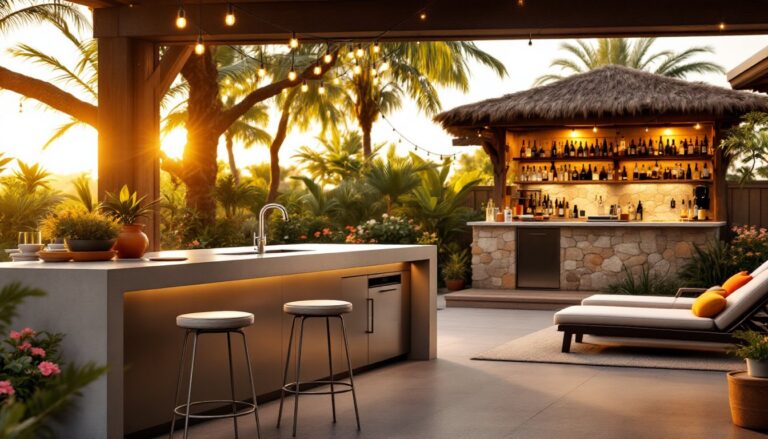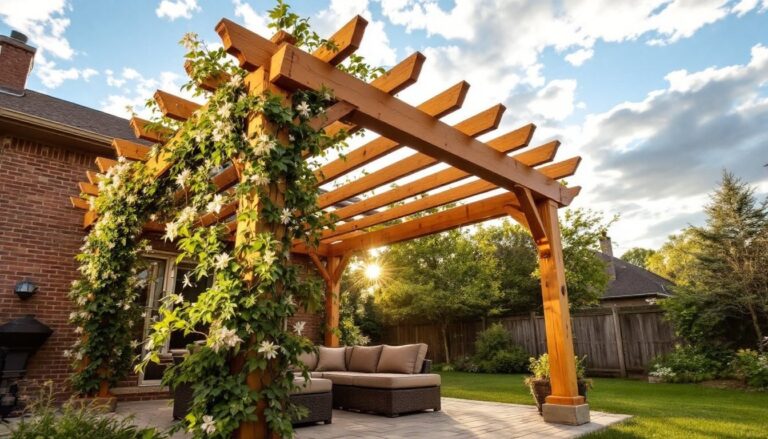


An apartment patio, whether it’s a postage-stamp balcony or a modest ground-level concrete slab, is prime real estate for creating an outdoor retreat. Most renters and small-space owners assume these patios can’t compete with sprawling decks and yards, but that’s simply not true. With smart furniture choices, layered lighting, and a little strategic planning, you can turn a cramped outdoor corner into a relaxing escape. The key isn’t square footage: it’s intentional design that maximizes every inch while reflecting your personal style.
Table of Contents
ToggleKey Takeaways
- Maximize small apartment patio space by carefully measuring and leaving at least 3 feet of clear walking space—choose lightweight, open-leg furniture that visually floats rather than cramped seating arrangements.
- Layer three types of lighting (ambient, task, and accent) using renter-friendly options like string lights, solar pathways, and battery-operated lights to transform your patio into an evening destination.
- Match plants to your patio’s light conditions (sun, shade, or mixed exposure) and use container gardening with varying heights to create visual interest without requiring permanent changes.
- Define distinct zones with outdoor rugs, weather-resistant cushions, and strategic decorative accents that reflect your personal style while keeping negative space intentional and peaceful.
- Increase privacy with vertical elements like tall planters, lattice screens, or bamboo fencing that create natural-looking barriers without making your apartment patio feel enclosed.
- Prioritize multipurpose and wall-mounted solutions—folding furniture, hanging shelves, and vertical gardens—to maximize functionality in tiny spaces while maintaining an airy, inviting atmosphere.
Define Your Patio Zone With Strategic Furniture Placement
Before you buy a single cushion, step back and think about how you’ll actually use the space. Do you want a cozy conversation area? A spot for morning coffee? A dining zone? Defining your primary function shapes every decision that follows.
Start by measuring your patio carefully, write down both length and width in feet. Then sketch a rough layout on graph paper or use your phone’s notes app to plan furniture placement. The golden rule: leave at least 3 feet of clear walking space. Cramming in too many pieces makes a small patio feel claustrophobic.
For seating, consider your space’s dimensions. A loveseat or pair of accent chairs often works better than a full sectional in compact areas. Look for furniture with clean lines and exposed legs: these visually “float” in a space and take up less visual bulk than skirted or upholstered legs. If you’re renting, a lightweight bistro table with two chairs can be moved or removed without landlord friction, whereas a built-in bench might violate your lease.
Arrange furniture to face inward, creating an intimate conversation zone rather than having pieces scattered around the perimeter. A small side table anchors a seating vignette and gives people somewhere to set drinks without cluttering the floor. Think of your patio as a room, corners and focal points matter just as much as they do indoors.
Add Layers of Lighting For Ambiance and Functionality
Lighting transforms a patio from daytime asset to evening destination. Skip the bare overhead bulb approach: instead, layer three types of light: ambient (general), task (activity-specific), and accent (mood).
Ambient lighting might be string lights (café lights or Edison bulbs) strung overhead, solar pathway lights, or a dimmable outdoor sconce on the apartment wall. String lights cast a warm glow and are renter-friendly since they hang rather than hardwire. Solar lights require zero installation and work well along the patio’s edge.
Task lighting handles specific needs: a reading lamp next to a seating area, or a light above a dining table so you can actually see your food. Small clip-on spotlights or adjustable outdoor lamps work here. Rechargeable or battery-operated versions sidestep wiring questions.
Accent lighting adds visual interest without serving a functional purpose. Uplighting a potted plant, spotlighting a focal wall, or placing battery-operated candles on a side table creates depth and sophistication. Avoid clustering all lights in one corner: distribute them around the patio’s perimeter and overhead. At night, this creates visual balance and prevents dark shadows.
Choose warm color temperature bulbs (2700K) for relaxing patios: cooler temps (4000K+) work for task areas where you need to see details. Most modern outdoor lights are LED, which cuts energy use significantly compared to incandescent. If you’re renting, stick with plug-in or battery options: permanent wiring might require landlord approval.
Incorporate Greenery and Plants To Bring Life To Your Space
Plants soften hard surfaces and inject life into concrete patios. The bonus: they filter air and create a subtle natural boundary without blocking views entirely.
Start with your light conditions. South-facing patios get intense all-day sun: north-facing spaces stay shady. East and west exposures fall in between. Match plants to these realities, sun-loving ornamental grasses, sedums, and succulents thrive in bright spots: shade-tolerant ferns, hostas, and heucheras handle shadier corners. Mislabeling light conditions is one of the fastest ways to kill plants, so be honest about what your patio actually gets.
Container gardening is ideal for apartments. Use pots at least 12 inches in diameter for most plants: drainage holes are non-negotiable. Cluster pots of varying heights to create visual interest, a tall ornamental grass next to a short creeping sedum catches the eye far better than identical potted plants lined up like soldiers. Place heavier planters against walls or corners where they won’t tip in wind.
Layering greenery at different heights makes a patio feel lush without taking up more square footage. A tall plant in the corner, mid-height shrub in the center, and trailing vine in a hanging basket create depth. Consider the plant’s mature size: a dwarf variety beats a specimen that will outgrow its pot in two seasons. For renter-friendly options, foliage in decorative pots can move with you when you relocate. Rotating seasonal plants keeps things fresh without permanent commitment.
Water and feeding schedules vary by plant type and season. Container plants dry out faster than in-ground specimens, especially in full sun or wind. Check soil moisture by sticking your finger an inch deep: if it’s dry, water until it drains from the pot’s bottom. During peak summer, daily watering isn’t uncommon for sun-exposed containers.
Create Visual Interest With Textiles and Decorative Accents
Textiles add warmth and color to a sparse patio. Outdoor cushions, throws, and rugs transform hard furniture and concrete into a cozy living space.
Outdoor rugs define zones and add softness underfoot. Look for solution-dyed polypropylene or marine-grade rugs, these materials handle moisture and UV exposure without fading or rotting. An 5×7 or 6×9 rug anchors a seating area: smaller 3×5 sizes work for compact patios. Choose patterns or solid colors that complement your furniture and overall aesthetic. A geometric pattern adds contemporary flair: stripes feel casual and coastal.
Cushions should be outdoor-rated fabric (acrylic or solution-dyed polyester) to resist fading, moisture, and mildew. They’re removable, so you can bring them inside during heavy rain or off-season. Mixing solid and patterned cushions adds visual texture without chaos, pair a striped cushion with a solid, or combine complementary colors. Storage benches or weatherproof boxes keep cushions dry and out of sight when not in use.
Decorative accents reflect personality. Wall-mounted planters, a small water feature, outdoor artwork, or decorative lanterns catch the eye and signal that this space is intentional, not an afterthought. Scale matters: oversized planters or a single statement piece works better in small spaces than many small objects competing for attention. Avoid packing every surface with trinkets: negative space makes a patio feel intentional and peaceful.
Consider a <a href="https://madroneagle.com/decorating-ideas-for-above-kitchen-cabinets/”>small decorating guide to understand how color, pattern, and proportion work in tight spaces. These same principles, balance, contrast, and restraint, apply to outdoor living.
Maximize Privacy With Screens, Planters, and Vertical Elements
Patios in apartment complexes often lack privacy. Neighbors, passersby, and shared walls can make you feel exposed. Strategic vertical elements create sightlines that block unwanted views without total enclosure.
Tall planters (24+ inches) filled with bamboo, ornamental grasses, or evergreen shrubs create a living screen. Line them along the patio’s edge or in corners where neighbors’ sightlines cross your space. Unlike fixed screens, plants soften the barrier and look intentional. Combine multiple planter heights for a tiered effect that feels natural, not defensive.
Lattice panels or folding screens add temporary privacy without permanent installation. Metal or wooden screens come in various styles, modern minimalist designs, decorative patterns, or simple grid styles. Position them at angles to block views while maintaining visual openness. Renter-friendly options include freestanding screens that lean against the railing or wall without fastening.
Vertical gardens or living walls, using wall-mounted pockets or tiered planters, add privacy, greenery, and visual drama simultaneously. These work especially well on blank apartment walls. They require regular watering but occupy almost no floor space. Start with 4–6 plants rather than a full wall: you can expand later.
Bamboo privacy fencing (usually 4–6 feet tall) rolls out and ties to existing railings for quick privacy. It’s temporary enough for renters and blocks wind and sound, not just sight. Make sure your lease permits this: some complexes restrict modifications to railings or walls.
The goal is strategic opacity, not a total fortress. A living privacy border signals “this is my space” while maintaining the airy, inviting feel that makes patios appealing.
Choose Space-Saving Solutions For Smaller Patios
Tiny patios demand creativity. Every inch counts, so choose multipurpose furniture and vertical storage.
Folding or nesting furniture takes up minimal space when not in use. Bistro chairs stack: console tables fold: some seating doubles as storage. A storage ottoman provides hidden organization and a place to rest your feet. Hanging shelves or wall-mounted cabinets keep decorative items off the floor. Corner shelves fit unused angles and display plants or accessories.
Wall space is your secret weapon in compact patios. Mount planters, shelves, or hooks vertically to free floor area. Pendant lights hang overhead rather than standing lamps on the ground. A small wall-mounted shelf becomes a bar cart or side table without taking up patio square footage.
Sites like Apartment Therapy and Gardenista showcase small-space solutions that prove you don’t need much room to create impact. Scroll through their examples for inspiration tailored to tight spaces.
Choose lightweight materials: aluminum furniture instead of heavy wood, canvas or woven outdoor fabrics instead of thick upholstery, smaller pots instead of massive planters. Light colors reflect heat and make spaces feel larger: all-white or neutral palettes visually expand a small patio. If you prefer color, use it as an accent rather than the dominant scheme.
Consider your patio’s traffic flow. Can you move comfortably from the door to the railing? Can you sit without bumping a table? Arrange furniture with actual use patterns in mind, not just aesthetics. A slightly less “perfect” layout that functions well beats a magazine-worthy setup you can’t navigate. Measure twice, arrange once, moving heavy furniture repeatedly wastes time and frustrates neighbors below.
Conclusion
Transforming an apartment patio into an inviting outdoor room is absolutely achievable, even on a modest budget and in limited space. By defining your zone, layering light, adding greenery, incorporating textiles, managing privacy, and prioritizing space-saving solutions, you’ve got a roadmap. Start with one or two ideas, perhaps a seating cluster with ambient lighting, then build from there. The best patios evolve slowly, reflecting what actually works for your lifestyle. Your outdoor oasis awaits.