
A sunroom is one of the smartest ways to expand your living space without a major addition. Whether you’re looking to steal extra square footage from your patio or upgrade an existing enclosed space, a sunroom lets you enjoy the outdoors year-round, rain, shine, or snow. This guide walks through practical patio sunroom ideas, from full glass enclosures to budget-friendly alternatives that won’t require a contractor or a second mortgage. You’ll learn what works, what to watch out for, and how to design a space that fits both your lifestyle and your DIY skill level.
Table of Contents
ToggleKey Takeaways
- Enclosed patio sunroom ideas range from prefabricated kits ($8,000–$25,000) to custom framing, with permits required in most jurisdictions for permanent installations.
- Tempered safety glass and low-E coatings maximize natural light while managing heat; frameless designs look premium but cost more than standard aluminum-framed panels.
- Proper climate control is essential—mini-split systems ($3,000–$6,000) offer efficient cooling, while connecting to your existing HVAC system provides year-round heating and cooling.
- Furniture must resist humidity and temperature swings; moisture-resistant materials like teak wood, rattan, and sealed metal frames work best in sunroom environments.
- Budget-friendly alternatives include three-season rooms (30–40% cheaper), retractable screen panels, or upgraded patios with pergolas and fire pits if you’re not ready for a full enclosure.
- Proper ventilation, insulation, and weatherstripping prevent condensation and drafts, while layered lighting and plants create year-round ambiance in your sunroom.
Enclosed Patio Sunrooms: Converting Your Open Space
An enclosed sunroom is the most popular upgrade because it creates a true three-season or year-round living space. The simplest approach is to install a prefabricated sunroom kit, these come with aluminum framing, tempered glass panels, and a roof system that bolts together. They typically run $8,000–$25,000 installed, depending on size and complexity.
If you’re framing from scratch, you’ll need to:
- Pour a foundation or deck base to bear the weight of the glass and frame.
- Build a perimeter wall frame with pressure-treated lumber (studs 16 inches on center) to anchor the sunroom structure.
- Install the roof trusses or rafter system (check local building codes for snow load and wind resistance).
- Apply flashing and underlayment before panels go in.
Most jurisdictions require a building permit for a permanent sunroom because it’s technically additional conditioned space. Before you start, get approval and understand setback requirements, you can’t build right up to the property line. A structural engineer may be needed if you’re spanning more than 12 feet without interior support posts.
Glass Walls And Natural Light Solutions
Glass is what makes a sunroom feel open and airy instead of like a garage. Tempered safety glass is mandatory, it resists impact and thermal stress far better than standard glass. Polycarbonate panels are a lighter, cheaper alternative: they diffuse light well but yellow over time and feel less premium.
For maximum natural light and a clean aesthetic, consider frameless glass walls. These use minimal aluminum mullions (vertical supports) and look sleek, but they’re pricey and require precise installation. Most DIY conversions use standard framed panels with aluminum muntins (the cross-bars that hold small glass panes).
If you want to reduce heat in summer, look at low-E glass (low emissivity coating), it reflects infrared while letting visible light through. Tinted or frosted panels give privacy but reduce brightness: pair them with skylights or clerestory windows to compensate. Many homeowners layer solutions: clear glass on south-facing walls, skylights on the roof, and sheer curtains for glare control. The design inspiration from Southern Living showcases how glass sunrooms blend seamlessly with classic home styles.
Comfortable Seating And Furniture Layouts
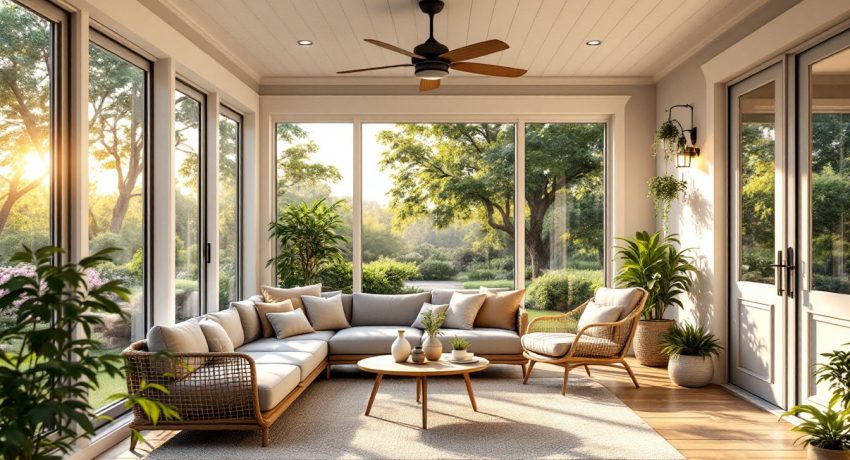
Your sunroom furniture needs to handle humidity, temperature swings, and direct sunlight better than indoor furniture. Wicker, rattan, or teak wood with moisture-resistant cushions are classic choices. Alternatively, sealed metal frames with removable, washable cushion covers won’t rot if moisture creeps in.
Layout depends on how you’ll use the space. A lounge-focused sunroom works with a sectional, side tables, and perhaps a fireplace or wood stove for cool months. If it’s a dining sunroom, orient your table to face the best garden or landscape view. A hybrid setup, part dining, part lounging, lets you shift furniture seasonally.
Keep traffic flow in mind. A narrow walkway between the door and seating kills the vibe and makes the room feel cramped. Aim for at least 3 feet of clear passage, and position larger pieces (couches, tables) to define zones without blocking sightlines through the glass. Rug placement anchors seating areas and adds warmth underfoot, choose outdoor or indoor-outdoor rugs that dry quickly and resist mildew.
Climate Control And Ventilation Options
A sunroom without heating and cooling is a pleasant novelty in spring and fall, but unbearable in July and February. Ventilation comes first: install operable windows or vents on at least two walls to create cross-breeze. Roof vents or skylights that open help hot air escape. Many DIYers add a ceiling fan to keep air moving: a reversible fan pulls hot air up in summer and pushes warm air down in winter.
For heating, options range from cheap to premium. A space heater works for tiny spaces and occasional use but isn’t efficient for daily comfort. A better bet is tapping into your home’s existing HVAC system, run a ductline from your furnace or heat pump to the sunroom. This requires careful load calculation (your HVAC must be sized to handle the extra square footage) and may need a professional install.
For cooling, mini-split systems (ductless heat pumps) are increasingly popular. One outdoor unit connects to an indoor wall-mounted head: they’re efficient, quieter than window units, and cleaner-looking than traditional AC. Expect $3,000–$6,000 installed. A simpler, budget option is a portable AC unit vented through a window, not pretty, but effective. Always check that your electrical service can handle the load, and use a dedicated circuit (20 amps minimum for most AC units). Insulation matters too: add fiberglass batts between studs and vapor barrier, and use weatherstripping around doors and operable windows to prevent drafts and condensation.
Decorating Your Sunroom For Year-Round Enjoyment
Sunroom decor walks a line between indoor comfort and outdoor feel. Start with a color palette tied to your garden or landscape, soft greens, warm neutrals, and natural wood tones link the space visually to the outside. Avoid heavy, dark colors: they absorb heat and make the room feel smaller.
Lighting layering is key. Recessed ceiling fixtures provide base light: wall sconces flanking seating offer task light for reading: and string lights or lanterns add warmth for evening use. During dark months, these become essential, a sunroom with no sun still needs ambiance.
Plants thrive in sunrooms and soften hard glass surfaces. Choose varieties suited to your light and humidity levels, ferns love shade and moisture, while succulents handle bright, dry conditions. Rotating seasonal decor keeps the space fresh: throw pillows in autumn tones, a small tree at winter holidays, and lighter fabrics in spring. The outdoor living inspiration from Gardenista offers detailed plant and design ideas that translate well to enclosed sunrooms. Wall art, a small bookshelf, or a console table for beverages personalizes the space without clutter.
Budget-Friendly Alternatives To Full Enclosures
A full sunroom is a significant investment. If budget is tight or you’re not ready to commit, consider hybrid approaches. A three-season room skips year-round climate control and costs 30–40% less than an enclosed sunroom. You get the roof, walls, and windows, but minimal insulation and heating, perfect for spring through fall entertaining.
Retractable screen panels or a motorized awning are cheaper still: $1,000–$3,000 and no permits required. They protect from rain and bugs while keeping the space open. On hot days, roll them in: on cold days, add patio heaters. You lose the all-weather year-round use, but you gain flexibility.
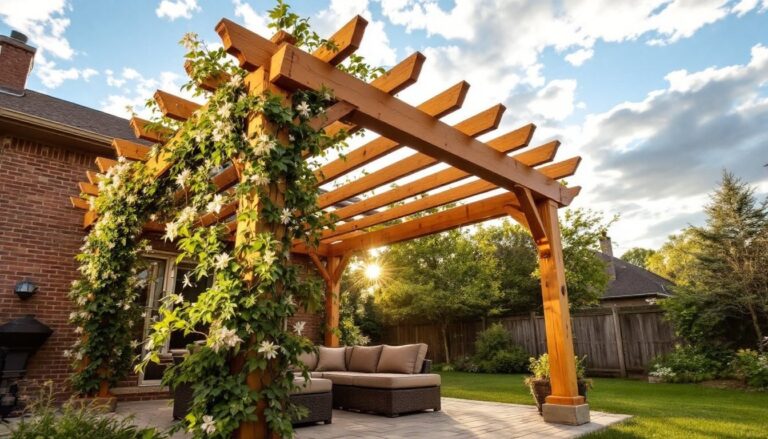
Another budget path: upgrade your existing patio with a pergola and shade cloth ($2,000–$5,000), string lights, and weatherproof furniture. Add a fire pit for cooler evenings. It’s not a sunroom, but it extends your outdoor season and costs a fraction of an enclosure. Home decorating projects from Better Homes & Gardens include patio upgrades that work as stepping stones toward a full sunroom investment.
Conclusion
A patio sunroom transforms how you live at home, adding square footage, light, and a bridge between indoors and the garden. Start by assessing your climate, budget, and timeline. A full enclosed sunroom is the premium route: a three-season room or screened patio offers a practical middle ground. Whatever you choose, prioritize foundation prep, proper permits, and ventilation. The payoff is a space you’ll use every season, and one that boosts both your home’s value and your daily quality of life.