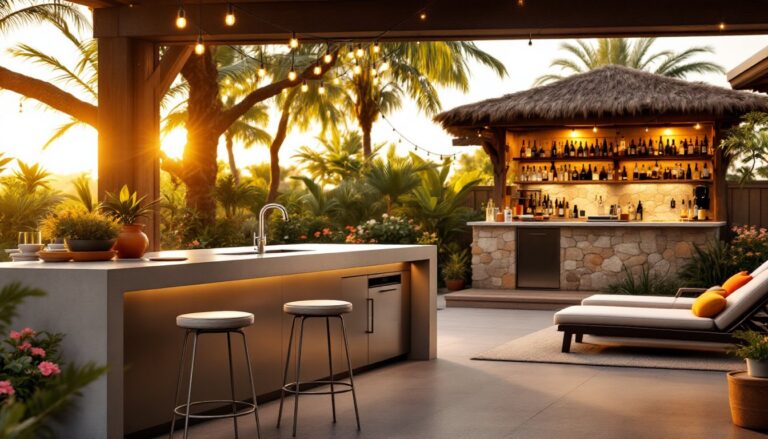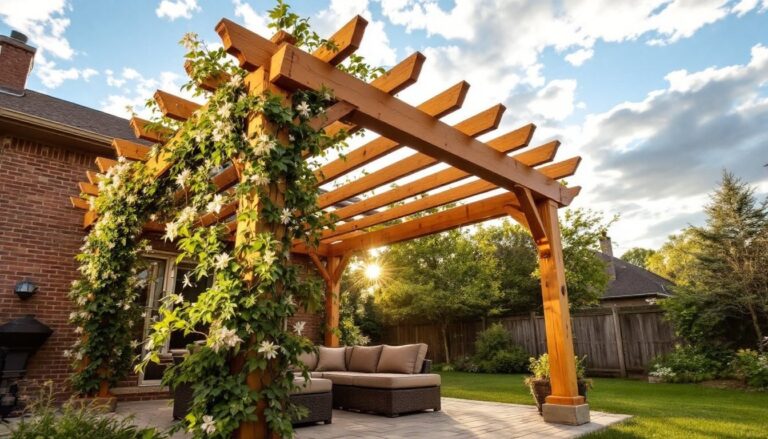
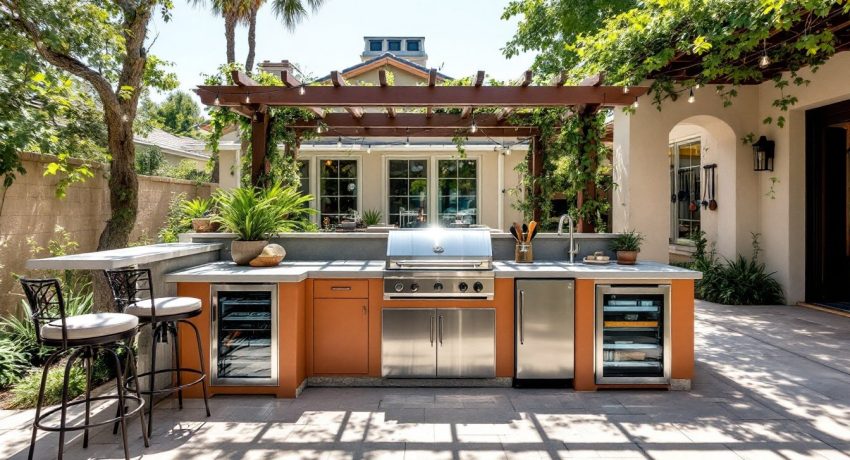

An outdoor kitchen island transforms your backyard into a fully functional entertaining hub where cooking meets socializing. Whether you’re grilling steaks, mixing drinks, or hosting dinner parties under the stars, a well-designed outdoor kitchen island becomes the centerpiece of your outdoor living space. Unlike a traditional grill setup, an island approach gives you counter space, storage, and seating all in one strategic layout, making it easier to prep food, keep appetizers cold, and engage with guests while you cook. Before breaking ground, you’ll need to think through location, materials, appliances, and style to ensure your island fits your home’s aesthetic and your entertaining needs.
Table of Contents
ToggleKey Takeaways
- Outdoor kitchen island ideas prioritize location 10–15 feet from your house with proper drainage and shade to balance utility access with comfort during entertaining.
- Choose durable materials like stainless steel, sealed concrete, or composite construction to withstand weather and UV damage, avoiding untreated wood that weakens over time.
- Include a high-quality grill as your centerpiece, paired with practical appliances like a side burner, refrigerator drawer, and sink to maximize cooking flexibility and guest engagement.
- Smart storage solutions using marine-grade drawers, wall-mounted pegboards, and under-counter cabinets keep your outdoor kitchen island organized without cluttering counter space.
- Match your island’s design style—whether Mediterranean, modern minimalist, or rustic—to your home’s architecture, then add lighting and seating to transform it into an intentional entertaining hub.
Choosing the Right Location and Size for Your Outdoor Island
Location makes or breaks an outdoor kitchen island. Start by identifying the best spot on your property, ideally close to your house for easy utility access (water, gas, electrical), but far enough away that kitchen heat and smoke don’t drift through open windows. Most successful outdoor islands sit 10–15 feet from the main living area, creating a natural traffic flow between entertaining zones.
Size depends on your lot and entertaining style. A modest island for a small yard might measure 4 feet wide by 6 feet long, giving you enough counter space for a grill and prep area. Larger properties can accommodate 8-by-12-foot islands with multiple cooking zones, storage underneath, and wraparound seating. Leave at least 3 feet of walking space on all sides for safe movement and appliance access. Consider shade, positioning your island near a pergola or tall trees keeps you comfortable during long cook sessions, while also protecting finishes from UV damage. Also factor in drainage: avoid low-lying spots where rainwater pools, as standing water damages foundations and promotes mold growth on wooden elements.
Materials and Construction Methods for Durability
Your outdoor island’s longevity depends entirely on material choice. Wood looks beautiful but demands regular sealing and maintenance, cedar or composite decking holds up better than pressure-treated pine, though even sealed wood eventually weakens in freeze-thaw cycles. Stainless steel frames resist rust and are easy to clean, making them a popular choice among serious outdoor cooks. Whatever you choose, ensure the base structure is pressure-treated lumber rated for ground contact, or skip wood entirely and use steel or aluminum framing.
Concrete and Composite Options
Concrete countertops and bases are the workhorses of outdoor islands. A standard 4-inch-thick concrete slab provides excellent durability, handles heat near a grill, and costs far less than natural stone. Seal concrete every 2–3 years to prevent water penetration and staining. Composite materials, engineered wood fibers bound with resin, offer a middle ground: they mimic wood’s warmth, resist moisture better than solid wood, and require less maintenance than concrete. Both materials can crack in extreme cold, so if you live in a freeze-thaw climate, plan for some seasonal touch-ups. For the island surround, tile or stone veneer adds visual appeal and protects the underlying structure. Ensure any masonry work is done on a stable, level foundation: shifting ground causes cracking and expensive repairs down the line.
Essential Appliances and Cooking Features to Include
The grill is your island’s centerpiece, but don’t stop there. A high-quality stainless steel grill rated for outdoor use (typically 304 or 316 stainless) resists salt air and moisture far better than mild steel. Pair it with a side burner for sauces or heating water, and you’ve got real cooking flexibility. If you entertain frequently, a refrigerator drawer keeps drinks and prepped ingredients cold without a constant trip inside, look for models with stainless steel or powder-coated aluminum, not plastic, which degrades in UV light. A sink or prep station with hot water is transformative: running inside for water is exhausting when cooking for a crowd. Connect plumbing to your main line if possible, or use a standalone unit with a separate drain line and recirculating pump.
Storage below the grill, a traditional cabinet with stainless hardware, holds tools, platters, and grilling accessories within arm’s reach. Avoid hollow cabinets or wood shelving that can rot: go with sealed wood, metal, or composite materials. Some cooks add a mini wine or beverage cooler next to the seating area, or a smoker unit if your property allows (check local codes first, some residential areas restrict wood smoke). Remember that each appliance adds cost and complexity: prioritize features you’ll actually use rather than chasing a kitchen-like experience that overwhelms your space and budget.
Design Styles and Aesthetic Inspirations
Your outdoor kitchen island should harmonize with your home’s architectural style and surrounding landscape. Mediterranean-inspired islands feature terra cotta accents, arched tile work, and warm earthy tones, perfect if your house has stucco or Spanish-tile roofing. Modern minimalist islands favor clean lines, stainless steel appliances, and sleek concrete or engineered stone counters, ideal for contemporary homes with flat roofs and open living spaces. Rustic designs incorporate natural stone, timber accents, and warm lighting to echo cabin or farmhouse aesthetics. Many homeowners draw inspiration from sources like Southern Living and Gardenista, which showcase regional outdoor entertaining spaces and landscape integration.
Color and texture matter too. Neutral countertops (gray concrete, natural stone) pair with nearly any siding or landscaping, while bolder choices like dark tile or copper accents create visual statements. Lighting transforms your island from day to night, string lights, recessed LEDs, or pendant fixtures overhead make evening entertaining comfortable and atmospheric. Ensure seating, bar stools or built-in benches, encourages guests to linger at the island rather than scattering across the yard. The goal is making your outdoor kitchen island feel like an intentional extension of your home, not an afterthought tacked onto the patio.
Storage Solutions and Functional Design
Smart storage separates well-designed islands from cluttered nightmares. Drawers with stainless steel slides (not plastic, which warps in heat) keep utensils, platters, and linens dry and organized. Install a marine-grade or outdoor-rated refrigeration unit in a base cabinet if you have the plumbing: otherwise, under-counter ice bins keep drinks cold for 6–8 hours. Open shelving looks great for displaying cookbooks or decorative platters, but exposed items accumulate dust, consider glass doors or weatherproof covers for high-traffic zones.
Vertical storage is crucial. A wall-mounted pegboard or stainless steel rail system keeps tongs, spatulas, and grilling tools visible and accessible without eating counter space. Wall-hung cabinets above the back edge of the island (12–18 inches above countertop) store seasonal items, extra propane, or entertaining supplies. Outdoor kitchens experience temperature swings and moisture, so avoid MDF or plywood: use marine-plywood or metal construction rated for the elements. Seal all wood joints and fasteners to prevent water intrusion and rust. A dedicated trash and recycling pull-out under the counter keeps the space clean and reduces trips inside. When planning storage, remember that most outdoor cooks use far fewer items than their indoor kitchens suggest, prioritize what you actually grab while cooking, and store everything else inside where it stays dry and protected.
Conclusion
Building an outdoor kitchen island is a substantial project that demands planning, solid materials, and realistic expectations about maintenance. Choose a level, well-drained location, invest in weather-resistant construction, and select appliances that match your entertaining style, not Instagram aesthetics. The best island is one you’ll use regularly, whether that’s a simple grill-and-counter setup or a fully outfitted outdoor cooking hub. Take time to research outdoor kitchens and kitchen island design ideas before committing to a layout, and don’t hesitate to consult a contractor if your project involves gas lines, electrical hookups, or structural footings. A thoughtfully built outdoor island pays dividends in entertaining pleasure and property value for years to come.