
A long entryway can feel like a hallway to nowhere, awkward, underutilized, and hard to make feel intentional. But that narrow passage is actually prime real estate for creating a functional, inviting transition between the outside world and your home’s interior. Whether you’re working with a 4-foot corridor or a sprawling 20-footer, the challenge is the same: make it feel purposeful without cramming in too much. This guide walks through seven practical design approaches that’ll transform your long entryway from a forgettable walkway into a space that sets the tone for everything beyond it.
Table of Contents
ToggleKey Takeaways
- Long entryway ideas thrive when you maximize vertical wall space with floating shelves, built-in cubbies, or tall narrow bookcases to keep floors clear and functional.
- Strategic mirror placement opposite a light source combined with layered lighting (sconces at eye level, 2700K warm white bulbs) makes narrow entryways feel wider and more welcoming.
- Define visual zones and anchor your long entryway with area rugs in low-pile or flatweave materials, using 3-by-5-foot sizes with 12–18 inches of bare floor on each side.
- Choose slim, scaled furniture like narrow console tables (30–36 inches wide) and wall-mounted benches to avoid creating bottlenecks while maintaining traffic flow.
- Light, neutral wall colors with personality added through artwork, textiles, and plants prevent a narrow hallway from feeling closed-in and oppressive.
- Consistent daily maintenance of your entryway storage, hooks, and organized baskets ensures design impact lasts and prevents clutter from accumulating.
Maximize Vertical Space With Wall Storage and Shelving
In a narrow entryway, wall storage is your best friend, it keeps things functional without eating into floor space. Install floating shelves 12 to 18 inches above a console table or directly above a bench. This layered approach gives you room to display baskets, decorative boxes, and everyday items without looking cluttered.
For a more substantial solution, consider built-in cubbies or a wall-mounted coat rack with integrated shelving. These can run floor-to-ceiling and hold coats, hats, scarves, and shoes while keeping the floor clear. If you’re renting or want an easier install, a tall, narrow bookcase (24 inches wide or less) can work the same way without nails.
Measure your wall width and available vertical height before ordering. Standard floating shelves come in depths from 8 to 12 inches, anything deeper crowds a narrow hallway. Use quality wall anchors rated for your intended load, especially if the wall doesn’t have studs where you want shelves. Drywall anchors holding 50 pounds per pair work fine for light décor: for heavier items, locate and anchor into studs where possible.
Keep the top surfaces organized with labeled baskets or containers. This prevents the “catch-all shelf” trap where things pile up. Aim for a mix of open and closed storage to balance visual interest with practicality.
Create an Illusion of Width With Mirrors and Light
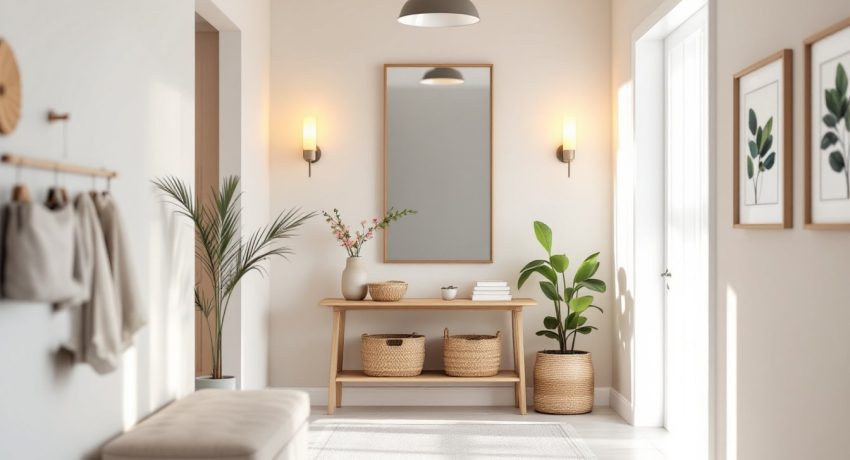
A strategically placed mirror does more than check your hair on the way out, it bounces light and makes a narrow space feel wider and airier. Position a large mirror (36 inches or taller) opposite a window or light source for maximum effect. If you don’t have a window, a mirror across from a light fixture works almost as well.
Mirror styles matter. A full-length mirror on one wall opens up the space vertically, while a horizontal rectangular mirror (often called a portrait or landscape orientation) can feel wider depending on placement. Avoid mirror tiles or mirrored walls, they feel dated and create visual fragmentation in a small space.
Lighting is equally critical. A single overhead fixture isn’t enough for a long entryway. Add wall sconces on either side of the mirror or spaced along the hallway (typically 4 to 6 feet apart for even illumination). Sconces rated 40 to 60 watts provide task lighting without overheating a narrow space. If you’re uncomfortable running electrical, consider battery-operated LED wall lights, they’ve improved dramatically and avoid the drywall patching needed for hardwired fixtures.
Lamp placement also matters: position task lighting at eye level (roughly 60 inches from the floor) to avoid harsh shadows and create a welcoming glow. Warm white bulbs (2700K color temperature) feel more inviting than cool white for entryways.
Define Zones With Flooring and Area Rugs
A long entryway can blur together visually. Area rugs anchor different zones and signal transitions. A 3-by-5-foot rug works for most entryways: measure your space and leave 12 to 18 inches of bare floor on each long side to avoid the “swallowed” look.
Rug materials matter here. Low-pile or flatweave rugs are best for high-traffic entry areas, they’re easier to clean and won’t trap dirt like deep pile. Avoid anything too plush that guests have to navigate carefully. Wool or synthetic blends hold up better than pure cotton in wet climates where muddy boots are common.
If you’re upgrading the flooring itself, light-colored tiles or light wood make the space feel larger. Darker floors can feel cave-like in a narrow hallway. Tiles are practical for entryways because they’re easy to sweep and mop: engineered hardwood or vinyl planks designed for moisture-prone areas work well too.
For a subtle zone division without breaking flooring, use a runner rug that spans the length of the entryway. This guides the eye forward and creates visual continuity. Pair it with a transition metal or wood threshold at entry points (where tile meets carpet, for example) to define boundaries and protect edges from wear.
Skid-proof rug pads under any rug prevent tripping hazards, non-negotiable in an entryway where people are focused on keys, mail, and getting inside.
Smart Furniture Solutions for Narrow Entryways
Choosing the right furniture prevents an entryway from becoming a bottleneck. A narrow console table (30 to 36 inches wide and 12 to 14 inches deep) is the workhorse of entryway design. It holds keys, mail, and decorative items without blocking traffic flow.
If you need seating, a slim bench (no more than 12 inches deep) along one wall lets people sit to remove shoes without jutting into the walking path. Pair it with a cushion for comfort and style. Wall-mounted benches with hidden storage underneath save even more space.
Avoid oversized pieces, a full-size dresser or large console will make the space feel cluttered and cramped. Stick to furniture that doesn’t exceed half the wall width. If you’re stuck with a long, narrow space, consider vertical furniture: tall, narrow bookcases or shelving units create visual height without horizontal sprawl.
Material finishes also influence perception. Light wood, white, or glass-top surfaces reflect light and feel less heavy. Dark, solid wood pieces can anchor a space but need strong lighting and mirror support to avoid feeling oppressive in a narrow hallway.
Measure your doorway width and entryway dimensions before buying anything. Nothing’s worse than realizing a $300 console won’t fit through your door. And think about traffic flow: arrange furniture so two people can pass comfortably without bumping shoulders.
Enhance Ambiance With Lighting and Color
Color choices in a narrow entryway make or break the feel. Light, neutral tones, soft whites, grays, beiges, expand the space visually and let other elements shine. If you want personality, add color through artwork, textiles, and décor rather than paint. A colorful rug or framed prints work better than a bold wall color that closes in a narrow hallway.
That said, a bold accent color on one wall (called a feature wall) can work if it’s strategic. Pick the wall that’s most visible from the main living space or the front door, and keep surrounding walls neutral. This draws the eye and creates interest without overwhelming.
Lighting warmth sets the mood. 2700K warm white bulbs create an inviting, cozy feel, perfect for a transition space. Avoid cool white (4000K or higher), which feels clinical and harsh in entryways. Install a dimmer switch if possible so you can adjust brightness depending on the time of day.
Layered lighting, combining overhead fixtures, sconces, and accent lights around mirrors or shelving, prevents dark corners and flat, uninviting shadows. A well-lit entryway feels bigger and safer.
Consider how natural light flows during different times of day. If your entryway gets morning sun, lighter colors show off that glow. If it stays dim, warmer artificial light compensates. The combination of natural and artificial light should feel welcoming, not cave-like or too bright.
Style Your Long Entryway for Personality and Function
After you’ve nailed the bones, storage, lighting, flooring, it’s time to layer in personality. Artwork, textiles, and plants break up long sight lines and make the space feel inhabited. A series of framed prints spaced evenly along one wall creates rhythm: avoid one large piece that can feel heavy.
Fresh greenery or flowering plants add life and filter stale air in enclosed entryways. Low-light tolerant plants like pothos, snake plants, or peace lilies work well in halls without windows. Hang them or place them on shelves to avoid cluttering the floor.
Textiles, a runner rug, a patterned cushion on a bench, or hanging fabric wall pieces, soften the hard lines of a narrow space. These elements add warmth and can tie in your home’s overall color scheme. Resources like Apartment Therapy and Decoist offer inspiration for styling narrow spaces on a budget.
Hooks and baskets serve dual purposes: they’re functional for coats and bags, and they’re design features when chosen thoughtfully. Matching baskets in natural wood or woven materials create visual cohesion and hide clutter. Metal or ceramic hooks add character, no need for boring plastic.
Finally, keep daily clutter to a minimum. A long entryway that’s stuffed with shoes, coats, and bags feels chaotic no matter how pretty the paint. Use your storage solutions consistently: hang coats immediately, store shoes in labeled bins, and clear the console of junk mail daily. Good design works only when you maintain it. For more ideas on maximizing small spaces, HGTV has countless before-and-after projects showing these principles in action.
Conclusion
A long entryway doesn’t have to feel like wasted space or a forgotten corridor. By combining smart storage, strategic lighting, visual tricks with mirrors, and thoughtful styling, you can transform it into a functional, inviting entry that sets a positive tone for your entire home. Start with the essentials, wall storage and good lighting, then layer in personality through color, décor, and carefully chosen furniture. The result is an entryway that’s both beautiful and practical, welcoming everyone who walks through your door.