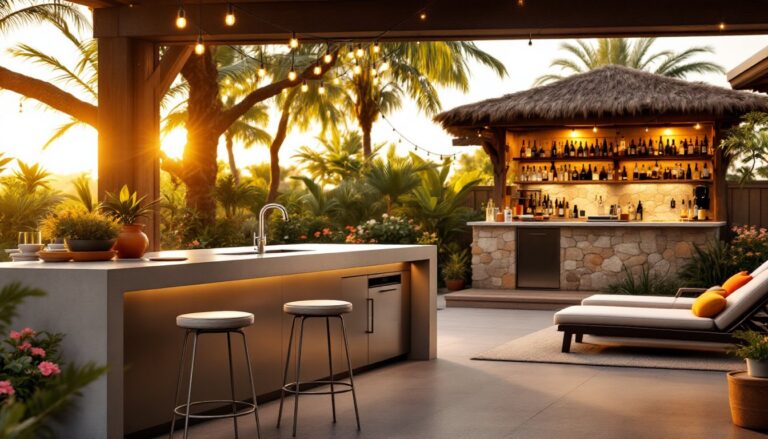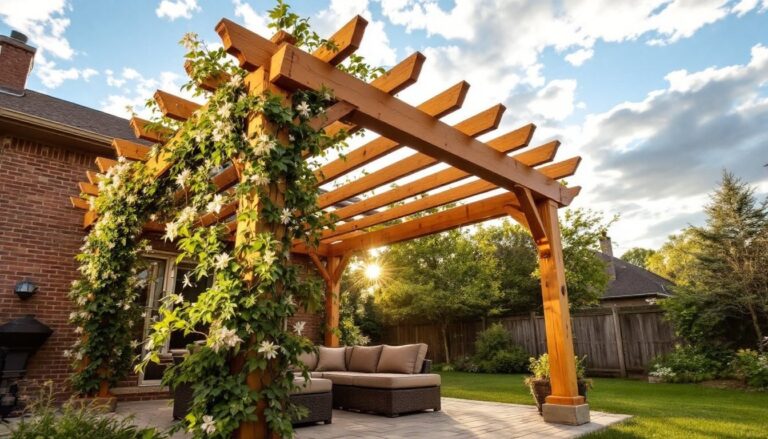


Spring is the perfect time to breathe life back into your outdoor space. After months of cold weather, your back deck deserves attention, and the good news is that updating it doesn’t require a complete overhaul. Smart back deck decorating <a href="https://www.southernliving.com/home/porch-deck-ideas” target=”_blank” rel=”noopener nofollow”>ideas focus on layering color, comfort, and ambiance to create an outdoor room you’ll actually use. Whether you’re hosting weekend gatherings or carving out a quiet retreat, the following strategies will help you transform a functional deck into an inviting extension of your home.
Table of Contents
ToggleKey Takeaways
- Start back deck decorating ideas with a cohesive color palette using neutrals as a base and one accent color to create a balanced, mood-setting foundation.
- Invest in quality weather-resistant outdoor furniture arranged in conversation-facing zones, leaving at least 18 inches of walkway space for functionality and flow.
- Layer ambient and task lighting with string lights, solar options, and LED fixtures in warm color temperatures (2700K or lower) to transform your deck into an evening destination.
- Add container gardens with plants suited to your climate and sunlight, grouping pots in odd numbers at varying heights for visual rhythm and natural appeal.
- Incorporate textiles like outdoor-rated pillows, rugs, and throw blankets to make your deck feel like an inviting outdoor room rather than a bare platform.
- Finish with thoughtful accessories—side tables, mirrors, and decorative details—that reflect your personal style and tie the entire outdoor space together.
Choose A Color Palette That Sets The Mood
Color is the foundation of any successful outdoor space. Start by looking at your home’s exterior and existing hardscape, your deck colors should complement, not fight, what’s already there.
Neutrals like charcoal, sage, or warm grays work well with traditional decking and create a calm backdrop for layered accessories. If your deck is natural wood tones, these muted shades let the material shine while grounding the space. For bolder personalities, jewel tones like deep teal, navy, or burnt orange add personality without overwhelming a smaller deck. Pair one accent color with two neutrals to keep things balanced.
Consider how the space feels at different times of day. Morning light hits differently than evening, so test paint colors or fabrics in both conditions. Warm whites and creams feel fresh and airy, while deeper hues create intimate, cozy vibes for evening entertaining. The color you choose for furniture, cushions, and textiles will anchor the entire aesthetic, so spend time deciding before purchasing. When exploring additional styling techniques, decorating room ideas and transforms apply similar color-layering principles indoors that work equally well outside.
Layer In Comfortable Outdoor Furniture
Functionality comes before form on a deck. Choose furniture built for outdoor conditions, weather-resistant wicker, sealed wood, or powder-coated metal frames last longer than untreated pieces. A seating arrangement should invite conversation: arrange chairs or a sectional to face inward rather than out at the yard.
Start with one anchor piece like a sectional sofa or dining table, then add secondary seating such as lounge chairs, stools, or accent benches. This creates zones for different activities, dining in one corner, lounging in another. Cushions add comfort and color: look for marine-grade fabrics rated for UV resistance and moisture. Quick-dry foam cores prevent mildew and water pooling.
Don’t overlook scale. An oversized sectional overwhelms a small deck, while delicate bistro chairs can look skimpy on a large platform. Measure your space and leave at least 18 inches of walkway on all sides. Lightweight furniture made from aluminum or resin wicker is easier to rearrange when you’re refreshing the layout. The key is mixing textures, pairing metal frames with woven details or wood accents, to keep the space visually interesting without looking cluttered.
Optimize Lighting For Evening Ambiance
Lighting transforms a deck from day hangout to evening destination. Start with ambient lighting using solar pathway lights, string lights, or lanterns strung overhead. These create a warm glow without harsh spotlighting and work on any deck size. String lights (also called bistro or café lights) are affordable and surprisingly durable: use Edison-style LED bulbs to mimic traditional incandescent warmth.
Layer in task lighting near seating or dining areas so people can actually see. Recessed deck lights, rail-mounted fixtures, or even battery-powered LED tape under railings provide functional light without installing new electrical circuits. If your deck has an attached structure like a pergola, uplighting plants or trees nearby creates depth and visual interest.
Solar options avoid running electrical lines across the deck, a major advantage if you’re renting or want flexibility. Battery-powered LED lanterns and flameless candles offer safety without real fire risk. Focus on warm color temperatures (2700K or lower) to maintain that cozy vibe rather than the clinical brightness of daylight. Avoid overlighting: dim, layered sources beat one bright fixture every time.
Add Greenery And Planters For Natural Appeal
Plants connect your deck to the broader landscape and soften hard surfaces. Container gardening works perfectly on decks where in-ground planting isn’t an option. Group pots in odd numbers (three, five, or seven) at varying heights to create visual rhythm.
Choose planters that complement your color scheme, matte finishes in grays, blacks, or terracottas work better than glossy surfaces in outdoor sun. Lightweight resin or fiberglass planters are durable and easier to move than ceramic or stone. Drill drainage holes if they don’t exist: standing water kills roots and attracts mosquitoes. Use potting soil rated for containers, not garden soil, which compacts and drains poorly.
Select plants suited to your climate and sun exposure. Full-sun decks need drought-tolerant options like sedums, ornamental grasses, or calibrachoa. Shaded decks thrive with hostas, ferns, or shade-tolerant annuals. Mix heights with tall grasses or bamboo at the back and shorter flowering plants in front for a full, layered look. Even one substantial potted tree near a corner anchors the space. For rustic aesthetics, tree stump decorating showcases how natural elements enhance outdoor settings, a principle that extends to potted plantings.
Incorporate Textiles And Soft Furnishings
Textiles make a deck feel like an outdoor room rather than a staging area. Outdoor pillows, throw blankets, and rugs anchor seating arrangements and add comfort. Rugs define spaces on large decks and muffle noise: look for indoor/outdoor rugs rated for moisture and UV exposure.
Mix pillow shapes and sizes, combine square, rectangular, and bolster pillows on a sectional for visual depth. Layer different patterns and textures if your color scheme allows it: stripes, solids, and botanical prints work together if they share a common color palette. Outdoor fabrics like Sunbrella or performance materials resist fading and mildew far better than standard indoor textiles.
Throw blankets encourage lounging on cooler evenings and add warmth both physically and visually. Drape one over a chair’s arm or the back of a sofa. Outdoor curtains (now widely available in fade-resistant fabrics) soften pergolas or screen unsightly views without much effort. They also provide some UV protection and wind break. Don’t overdo it, two or three well-chosen textiles matter more than a pile of mismatched cushions. Quality outdoor textiles are an investment but last multiple seasons when properly maintained and stored off-season.
Accessorize With Decorative Details
Final touches distinguish a thoughtfully decorated deck from a furnished one. Side tables hold drinks and plants: a mix of materials (wood, metal, or concrete) adds visual interest. Small sculptures, planters, or garden ornaments work indoors and out. Mirrors mounted on a fence or railing trick the eye into feeling larger, especially on small decks.
Incorporate natural materials like river stones in glass vases, driftwood branches, or woven baskets for storage and texture. Wall-mounted shelving holds plants or displays small accessories without eating floor space. A water feature (even a small tabletop fountain) adds sound and movement that makes a space feel alive.
Weather-resistant outdoor rugs anchor conversation zones, while side tables positioned beside seating provide landing spots for phones, books, or drinks. Hang artwork designed for outdoor use, wood, metal, or acrylic pieces weather better than paper or canvas. The goal is curating a personal story rather than filling every inch. Explore decorating ideas for stairs and landing which demonstrates how thoughtful accessorizing transforms overlooked spaces. Resources like Southern Living showcase regional takes on outdoor entertaining that inspire personal touches. A well-accessorized deck reflects your taste and invites conversation about the choices you’ve made.
Conclusion
Transforming your back deck into an outdoor oasis takes planning and intentionality, but the payoff is months of enjoyment. Start with a cohesive color palette, anchor the space with quality furniture, layer in warm lighting, and add greenery and textiles to soften hard surfaces. Small decorative touches tied to your personal style finish the job. Take time before purchasing to measure, test colors in natural light, and think about how you’ll actually use the space. The best deck is one that matches your lifestyle and invites you outside.