
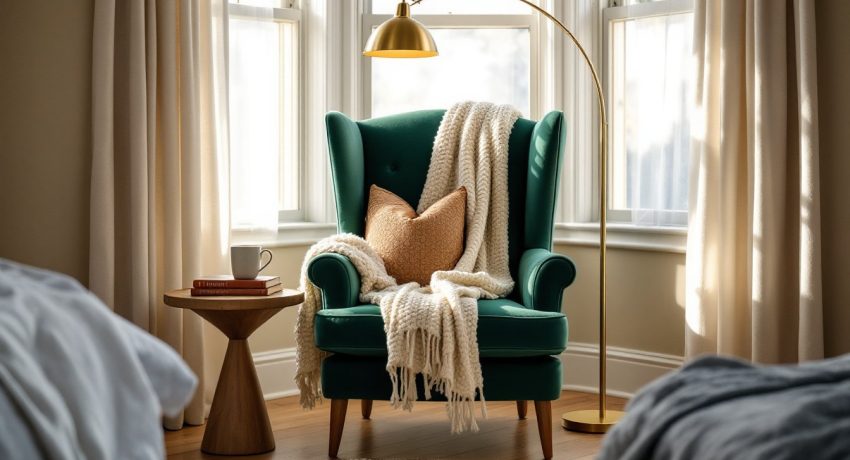

A bedroom chair transforms more than just square footage, it’s the difference between a sleeping room and a personal sanctuary. Whether you’re carving out a quiet corner for reading or adding a functional accent piece, the right chair grounds the space with both comfort and style. In 2026, bedroom seating isn’t about luxury alone: it’s about smart design that matches your lifestyle, layout, and budget. From compact wingbacks tucked into corners to statement pieces that anchor the room, this guide walks you through every option to help you find the perfect fit for your bedroom.
Table of Contents
ToggleKey Takeaways
- Bedroom chairs transform a sleeping space into a personal sanctuary by adding comfort, style, and functionality that matches your lifestyle and layout.
- Accent chairs work best as statement pieces when they contrast with your bed and decor—think bold jewel tones or patterns positioned where they catch natural light.
- Reading nooks thrive in isolated corners with proper task lighting and elevated seating like wingback chairs, creating a dedicated escape pod away from bed and bathroom traffic.
- Compact chairs with seat depths of 28–30 inches and clean lines are essential for small bedrooms, while swivel designs maximize functionality in tight quarters.
- Multi-use storage ottomans and benches solve bedroom storage challenges while providing both seating and hidden compartments for blankets, pillows, and seasonal items.
- Layer your bedroom chair with throw blankets, pillows, and a side table positioned 2+ feet from the bed to create a complete, cohesive vignette that balances comfort with visual appeal.
Accent Chairs for Statement Pieces
An accent chair does heavy lifting in a bedroom. It’s the focal point that says something about who lives there, and it works hardest when it contrasts with, not matches, your bed. A bold jewel-tone velvet chair against neutral walls, or a sculptural mid-century modern frame in a traditional room, creates visual interest that pulls the space together.
Start by choosing a color or pattern that complements your existing palette but stands apart. A deep emerald wingback or a patterned damask armchair adds sophistication without needing to match your bedding. Consider scale, too: a sprawling oversized chair works in spacious bedrooms, while a streamlined accent piece fits smaller footprints better.
For styling, position your accent chair where it catches natural light and doesn’t block traffic flow. Add a side table (even a simple pedestal works) and a throw blanket to make it an inviting spot to pause. A pair of matching chairs flanking a window or fireplace creates a more intentional, designer-curated look. Modern furniture for bedrooms can anchor your aesthetic, whether you lean contemporary, transitional, or eclectic.
Cozy Reading Nooks and Corner Seating
A reading nook isn’t a luxury, it’s a retreat. Tuck a comfortable chair into an underused corner, add a small table for your cup of coffee or book stack, and you’ve created your own escape pod. Wingback chairs are classics for this setup because their high sides shield you from the room and trap warmth: leather or linen upholstery works equally well depending on your climate and maintenance tolerance.
Window seats are another cozy option. If you have a bay window or alcove, position a cushioned bench or low-slung lounge chair perpendicular to the wall. Layer throw pillows and a chunky knit blanket to make it irresistible. Pair this with bedroom lighting ideas that won’t strain your eyes during long reading sessions, a floor lamp or wall-mounted reading light is essential.
The key to a successful nook is isolation. Place it away from the bed and bathroom traffic. Poor lighting and drafty spots kill the vibe, so choose corners with natural light or room for task lighting. Even a modest 4 by 4 corner can accommodate a chair, a slim side table, and a lamp to create a functional reading sanctuary in your bedroom.
Compact Chairs for Small Bedrooms
Small bedrooms demand strategy. A bulky recliner or oversized sectional will dominate and make the space feel cramped. Instead, look for chairs with clean lines and slender profiles, think a French-style accent chair, a barrel seat, or a slim wingback that doesn’t sprawl.
Dimensions matter here. A chair with a seat depth of 28 to 30 inches and a seat width of 24 to 26 inches sits comfortably without consuming floor space. Armless or open-arm designs feel lighter and less intrusive than fully upholstered arms. A swivel chair maximizes functionality in tight quarters, letting you adjust direction without moving the whole piece.
Consider small bedrooms ideas that emphasize vertical space rather than floor footprint. Wall-mounted shelves above a compact chair, or a narrow wingback tucked into a corner, keeps sight lines open. Avoid dark, heavy fabrics in tiny rooms: lighter colors and airy weaves make the space feel larger. If you’re really pressed for room, a comfortable poufs or ottoman chair does double duty as seating and a footrest.
Functional Storage and Multi-Use Chairs
Bedroom storage is always tight. A storage ottoman or cube chair solves two problems at once: it provides seating and a hidden spot for blankets, pillows, or seasonal items. Look for pieces with lift-top lids and sturdy hinges so they hold up to regular use. Linen or faux leather upholstery hides stains better than lighter fabrics.
Bench seating at the foot of the bed isn’t just for looks, it’s a practical landing spot for clothes prep and a perch for putting on shoes. Choose a bench with a storage base or open shelving underneath. Some benches feature a hinged seat that opens to reveal cubbies, perfect for storing extra bedding or off-season clothing.
An upholstered chair with a hidden storage compartment built into the seat base combines comfort with utility. These are less common than ottomans but worth hunting for if you need the extra space. The trade-off is that storage pieces add bulk, so measure carefully and ensure they don’t make your bedroom feel overcrowded. They work best in larger rooms or as the singular seating piece in a bedroom layout.
Materials and Upholstery Choices
Your fabric choice defines how a chair feels and how much work it demands. Velvet is luxurious but shows dust and pet hair: linen is breathable and textured but stains easily: performance fabrics (polyester blends engineered to resist spills) clean up fast but can feel less soft. Leather ages beautifully and wipes clean, though it requires conditioning to prevent cracking.
Consider your bedroom’s humidity and traffic. In damp climates, natural fabrics like linen or cotton can trap moisture: synthetic blends dry faster. If you have pets or kids, go with performance fabrics or leather. If your bedroom is a low-traffic sanctuary, natural fibers reward you with better feel and aging character.
Frame material matters too. Hardwood frames (oak, birch, maple) outlast softwood: check that joints are doweled or mortise-and-tenon, not stapled. Kiln-dried wood resists warping. If budget is tight, particle board frames work for occasional-use chairs, but solid wood is the long-term play. Romantic bedroom design often features upholstered pieces: choose fabrics that feel romantic to you, whether that’s a soft brushed cotton or sumptuous velvet.
Styling Your Bedroom Chair With Decor
A chair doesn’t live alone. Layer it with throw blankets, pillows, and a side table to make it a complete vignette. A chunky knit throw in cream or a jewel tone adds texture and warmth: lumbar pillows provide back support and visual softness. Pair solid upholstery with patterned pillows, or vice versa, to create balance.
Positioning counts. Angle a chair slightly toward a window for natural light, or face it toward a focal point like a fireplace or art wall. Leave breathing room between the chair and bed, at least 2 feet of clearance so the space doesn’t feel cramped. A low side table (wood, metal, or glass) beside the chair holds a lamp, book, or drink without blocking sightlines.
Color coordination doesn’t mean everything matches. Use your chair to introduce a secondary color that appears elsewhere in the room, in pillows, artwork, or bedding. This ties the space together without feeling overly matchy. Soft, muted tones create calm: jewel tones and patterns add drama and personality. Interior design sources like MyDomaine and galleries such as Home Bunch showcase layered, cohesive bedroom chair styling that balances comfort with visual appeal.
Conclusion
The right bedroom chair brings your space closer to the retreat you deserve. Start by assessing your room’s size, layout, and style, then choose a chair that serves your needs, whether that’s a statement accent, a cozy reading spot, or a hardworking storage bench. Layer it thoughtfully with textiles and lighting, and you’ve upgraded your bedroom from a sleeping room into a sanctuary. Take inspiration from bedroom chair ideas across design galleries, then trust your instincts to create a space that feels like home.